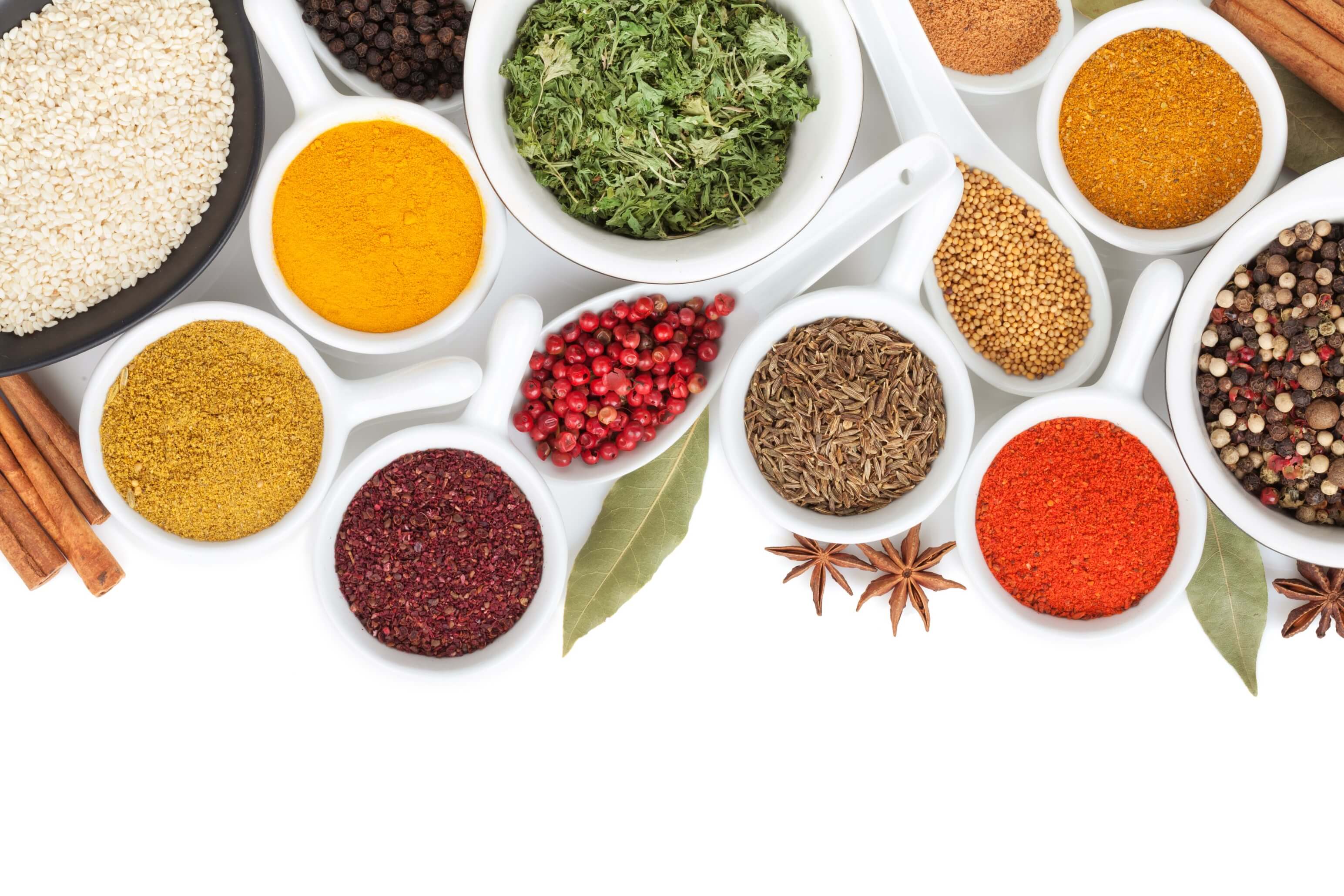
How to Use Chile Peppers and Flavored Sea Salt

Chile peppers and flavored sea salts work in different ways. A chile adds heat, color, and its own flavor; a flavored salt seasons with salt and may add smoke or chile character. Start with the dish and decide whether you need heat, salt, or both.
Choose the pepper form
Ground chile can be stirred into a rub, marinade, or simmering sauce. Try Red Thai Chile Pepper Powder in a small amount and adjust for your preferred heat. Whole dried peppers, such as Whole Dried Guajillo Chile Peppers, can be toasted briefly and rehydrated before blending into a sauce. See our whole dried chile cooking guide for more on that method.
Use smoked and chile flavored salts
A smoked salt, such as Hickory Smoked Sea Salt, can add a smoky finish to potatoes, grilled foods, or vegetables. For salt with chile flavor, compare Red Chile Pepper Sea Salt and Habanero Sea Salt. Sprinkle a little at the end, taste, and account for the salt already in the recipe.
Build flavor gradually
For a sauce, season first with your chosen pepper, let it cook, and add salt to taste. On grilled vegetables or meat, a chile-based rub can provide heat while a small finishing pinch of flavored salt adds contrast. Keep hot peppers away from your eyes and wash hands and utensils after handling them.
Browse the full chile peppers and flavored sea salt collection to compare pepper forms and salt flavors.
Find your next cooking idea
Explore more Recipes & Cooking Guides, organized by food, flavor, and pantry choice.
Decide what the dish needs before adding both
If the salt level is right but the food needs warmth, add plain chile. If a dish is bland and unsalted, a flavored salt can add seasoning and a supporting aroma. When both are needed, add chile first, then salt in small amounts so the two adjustments remain controllable.
A roasted potato comparison
Roast 1 pound diced potatoes with 1 tablespoon oil at 425°F until tender and browned, about 30–40 minutes with a turn halfway through. Divide into two bowls. Finish one with a small pinch of smoked salt. Toss the other with a tiny pinch of hot chile and plain salt to taste. Compare smoky aroma, heat and salt separately.
A tomato sauce example
Simmer 1 cup crushed tomatoes with ¼ teaspoon of a suitable chile powder for 10 minutes. For very hot Red Thai powder, begin with less. Taste a cooled spoonful, then add salt. Do not keep adding Habanero Sea Salt solely to chase stronger pepper heat.
Whole dried peppers are a preparation choice
Whole guajillo can be toasted, soaked and blended for sauce texture, whereas powder mixes directly. Use the whole-chile guide when the recipe calls for pods. Do not convert a pod count into spoonfuls without accounting for size and strength.