What is Habanero Chile Pepper?
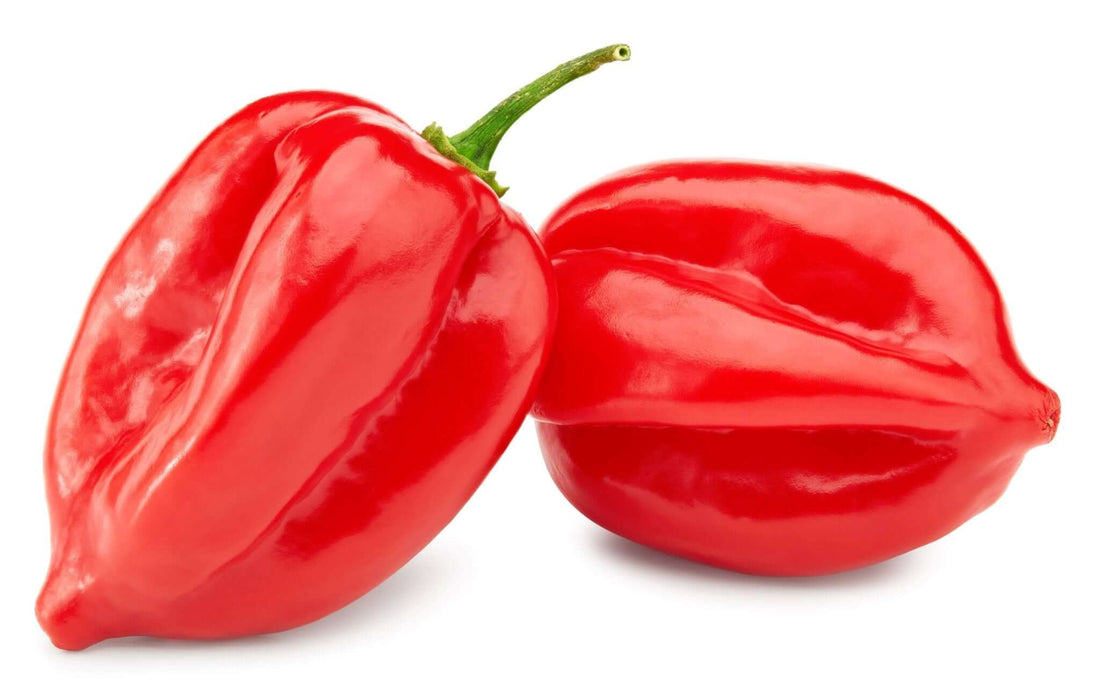
Habanero chile peppers are famous for two things: intense heat and a surprisingly fruity, floral flavor. They are a staple of Caribbean, Yucatán and Central American cooking and the backbone of many hot sauces. This guide explains where habaneros come from, how hot they are, what they taste like, and how to cook with them without overdoing it.
Shop habanero
Habanero powder lets you add heat by the pinch. Whole dried habaneros are for hot sauces, salsas and slow-cooked dishes. Habanero Sea Salt combines the heat with salt for an easy finishing sprinkle.
Shop Habanero Powder Shop Whole Dried Habaneros Shop Habanero Sea Salt
Where habaneros come from
Habaneros belong to the species Capsicum chinense, which originated in the Amazon basin and spread through the Caribbean and Central America. Today the Yucatán Peninsula in Mexico is the best-known growing region. The name refers to Havana, Cuba, a historic trading hub for the pepper. Fresh habaneros are small and lantern-shaped, and most ripen to bright orange, though red, yellow and other colors exist.
How hot is a habanero?
Habaneros usually measure between 100,000 and 350,000 Scoville Heat Units (SHU). That makes a typical habanero roughly 12 to 140 times hotter than a jalapeño, depending on the two peppers being compared. They contain a high concentration of capsaicin, the compound responsible for chile heat.

| Pepper | Typical Scoville range |
|---|---|
| Jalapeño | 2,500 to 8,000 |
| Cayenne | 30,000 to 50,000 |
| Aji Amarillo | 30,000 to 50,000 |
| Habanero | 100,000 to 350,000 |
| Ghost pepper | About 1,000,000 |
| Carolina Reaper | Over 1,500,000 |
For the full ladder, see our chile pepper heat guide.
What does habanero taste like?
Beneath the heat, habaneros have a fruity, floral, slightly smoky flavor with notes often compared to apricot, tropical fruit and citrus. That aroma comes from compounds separate from capsaicin, which is why habanero tastes so good with mango, pineapple, lime and orange. It is a flavor pepper as well as a heat pepper, as long as you use it in amounts small enough to taste the fruit.
How to cook with habanero
- Hot sauce: blend rehydrated whole habaneros with carrot, onion, garlic, vinegar and salt.
- Fruit salsa: mango, pineapple or peach salsa with a tiny pinch of powder (recipe below).
- Marinades: Yucatán-style citrus marinades for pork and chicken, or Caribbean jerk-style rubs with allspice and thyme.
- Glazes: a pinch of powder in honey, pineapple or apricot glaze for wings, ribs and shrimp.
- Chili and soups: a very small amount adds heat that blooms over long cooking.
- Finishing: Habanero Sea Salt on grilled corn, fries, fruit or the rim of a margarita glass.
Using habanero powder in small amounts
Start with the smallest practical pinch in a cup of salsa or sauce. Mix well and wait a few minutes before tasting a small amount, since heat builds as the powder hydrates. A generous spoonful is never a starting point for habanero powder.
- 1 cup of fresh salsa: a tiny pinch (about 1/32 teaspoon).
- 1 cup of cooked sauce or glaze: 1/16 to 1/8 teaspoon.
- A 6-serving pot of chili: 1/8 teaspoon, tasted after 20 minutes.
Recipe: small-batch mango habanero salsa
Combine 1 cup diced mango, 2 tablespoons finely chopped red onion, 1 tablespoon chopped cilantro, 1 tablespoon lime juice and a tiny pinch of habanero powder. Refrigerate 10 minutes, stir, then add salt and more chile only if needed. Serve with cooked fish, chicken, pork or tortilla chips. For more fruit ideas, read Habanero Pepper with Fruit.
Recipe: quick habanero carrot hot sauce
- Remove the stems from 3 whole dried habaneros and soak them in hot water for 20 minutes.
- Simmer 1 chopped carrot, 1/4 onion and 2 garlic cloves in 3/4 cup water until soft, about 10 minutes.
- Blend the vegetables, drained habaneros, 1/2 cup white or apple cider vinegar, 1 teaspoon salt and 1 teaspoon sugar until smooth.
- Refrigerate in a clean bottle and use within 3 to 4 weeks. Shake before using.
Work with good ventilation and keep your face away from the blender when you open it.
Powder and whole habanero are different choices
Powder makes small additions easy to distribute evenly. Whole dried habanero needs a recipe written for pods and careful portioning; do not drop a whole pepper into a dish just because it looks small. As a rough guide, one whole dried habanero equals about 1/4 teaspoon of powder, which is enough to make a large pot noticeably hot.
How to handle habaneros safely
Wear gloves when handling whole peppers, and wash your hands, knives and boards thoroughly afterward. Avoid touching your face or eyes. Do not breathe in powder dust or steam from a pan where habanero is cooking. If your skin burns, wash with soap and a little oil; if your mouth burns, milk or yogurt helps more than water.
Frequently asked questions
Is habanero hotter than ghost pepper?
No. Ghost peppers (bhut jolokia) are roughly three to ten times hotter than habaneros.
What is a milder substitute for habanero?
Aji Amarillo shares some of the fruity character with much less heat. Wiri Wiri is another fruity Caribbean-region chile worth trying.
How should I store habanero powder?
Keep it sealed, away from heat, light and moisture, and use within about a year for the best flavor. See our shelf life of spices guide.
Explore more from Savu Birra
Habanero is part of the Hot Chile Pepper Powder Variety Pack with Aji Amarillo, Wiri Wiri and Red Thai chile. To taste a dozen chiles from mild to hot side by side, try the Chile Pepper Collection 12 Pack. Browse our chile peppers and paprika.