Chile de Árbol: Heat Level, Uses and Benefits
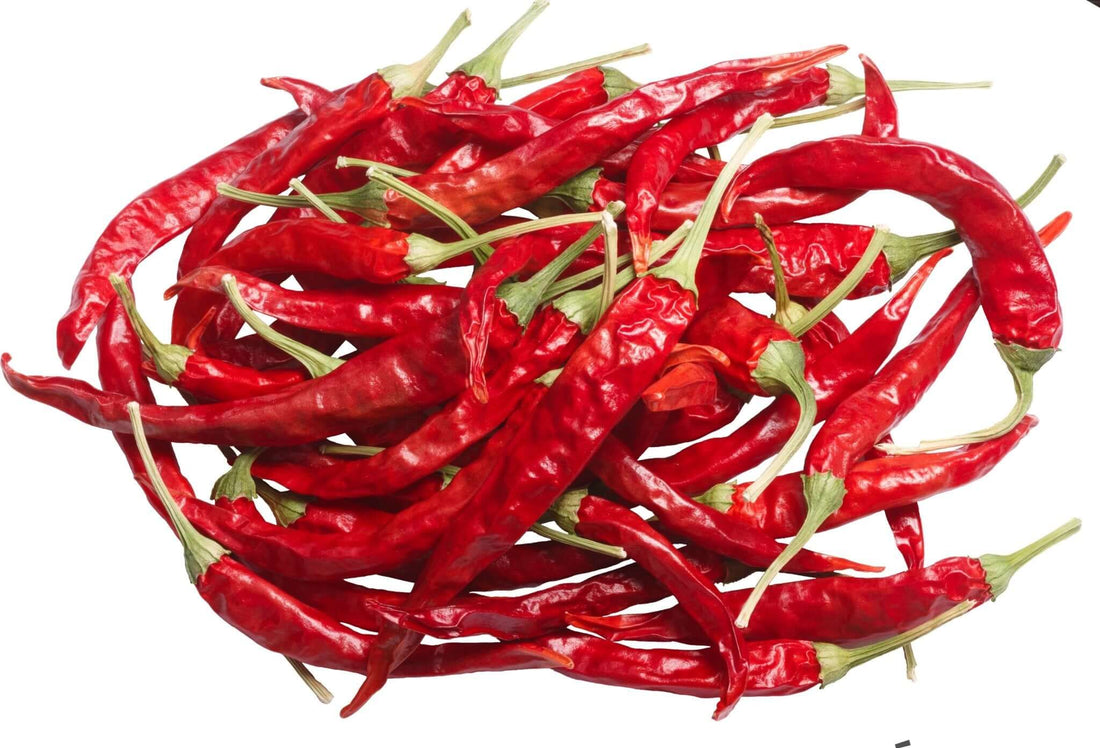
Chile de Árbol is a slender red Mexican chile known for clean, direct heat and a lightly grassy, nutty flavor. Its name means “tree chile,” referring to the woody stems and upright growth of the plant.
How hot is Chile de Árbol?
Chile de Árbol typically measures about 15,000 to 30,000 Scoville Heat Units. It is generally hotter than a jalapeño but milder than a habanero. Natural peppers vary, so begin with a small amount and adjust after tasting.
What does Chile de Árbol taste like?
The pepper provides sharp chile heat with subtle grassy, earthy and nutty notes. Toasting dried peppers briefly can deepen their aroma, but they should not be scorched because burned chiles become bitter and can irritate the air.
How to use Chile de Árbol
- Blend rehydrated peppers into red salsa and taco sauce.
- Add whole peppers to soups, stews and beans while they simmer.
- Crush dried peppers into flakes for pizza, eggs and vegetables.
- Use Chile de Árbol powder in rubs, marinades and seasoning blends.
- Combine it with garlic, tomato, vinegar or citrus to balance its heat.
Chile de Árbol benefits and nutrition
Like other red chile peppers, Chile de Árbol contains capsaicin, the compound responsible for chile heat, along with naturally occurring plant pigments and nutrients. The nutritional contribution of a recipe depends on the amount used, and typical seasoning portions are small. Chile peppers can add strong flavor with little added sugar or fat, but they should not be treated as a substitute for medical care.
Handling hot chile peppers
Avoid touching your eyes or face while handling hot peppers or powder. Wash your hands, cutting tools and preparation surfaces afterward, and use good ventilation when toasting dried chiles.

A measured powder salsa
Combine 1 cup crushed tomatoes, ⅛–¼ teaspoon Chile de Árbol powder, 1 tablespoon lime juice and salt to taste. Stir thoroughly, refrigerate 10 minutes and taste a small spoonful. Increase the chile a pinch at a time. This is a quick powder-based salsa, rather than a sauce made from toasted whole pods.
Whole pods versus powder
Whole dried de Árbol suits recipes that toast and blend peppers; powder is easier for rubs and quick sauce adjustments. Remove woody stems from whole peppers. Work with ventilation and stop toasting before the pods blacken.
Building heat gradually
Try a small amount in one bowl of soup before seasoning the entire pot. Beans, tomatoes and broth spread the heat through more food, while a finishing sprinkle can taste more concentrated. For a gentler sauce, build flavor with ancho or guajillo and use de Árbol as the smaller heat component.
If a batch is too hot, add more unseasoned sauce ingredients. Extra lime may balance flavor but will not remove capsaicin. Keep dry powder closed and away from steam.
Explore more from Savu Birra
Shop Chile de Árbol Pepper Powder or browse our chile peppers and paprika.