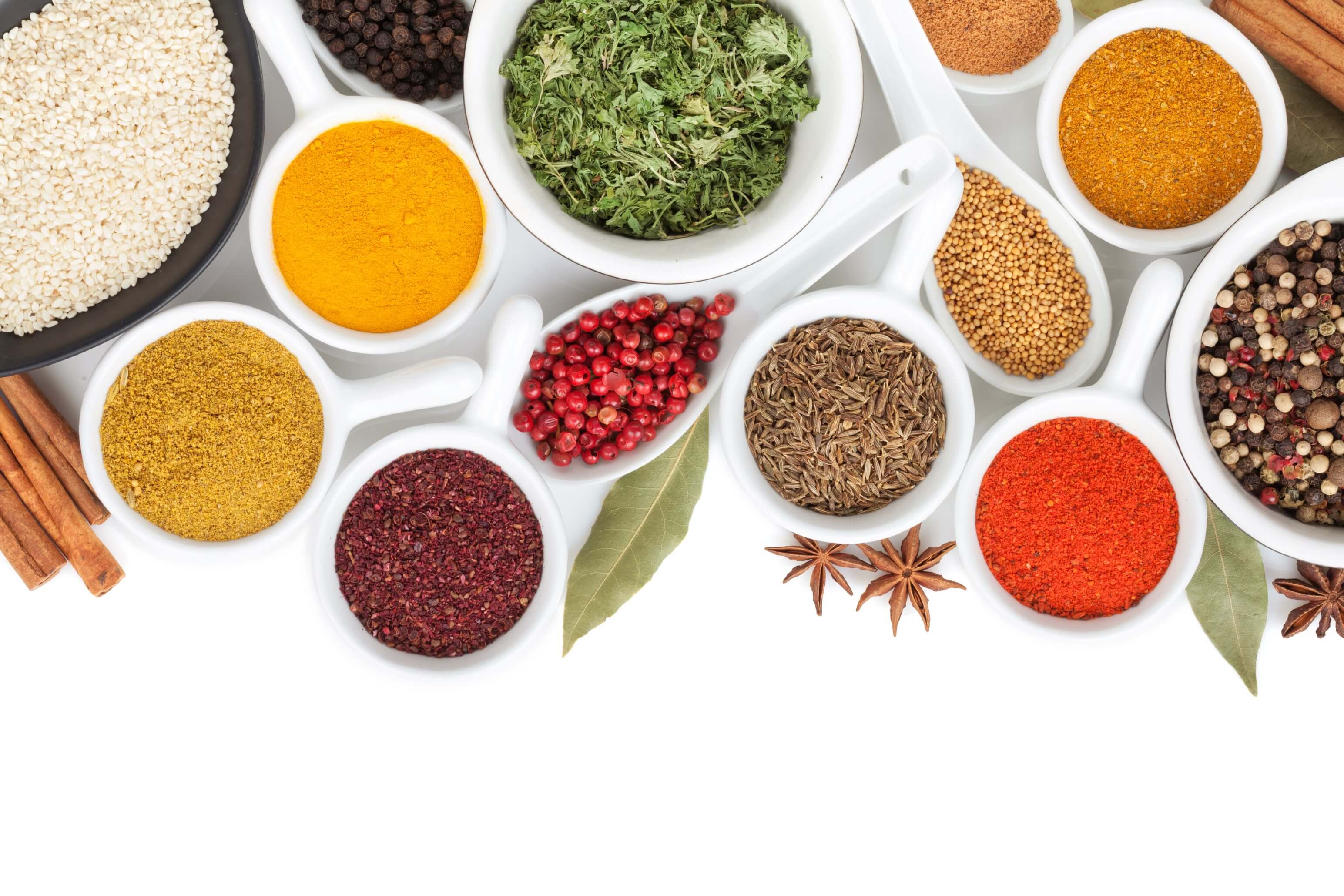
20 Popular Spices: Flavor Profiles and Best Uses

Spices are the fastest way to change how a dish tastes. The same chicken, beans or potatoes can taste Mexican, Indian, Italian or holiday-warm depending on which two or three spices you reach for. This guide covers 20 of the most popular spices: what each one tastes like, which cuisines use it, how much to start with, and what to cook with it.
Stock the pantry basics
Savu Birra grinds and packs single spices in small batches, including cumin, coriander, turmeric, thyme, oregano, fennel and mustard. The Garlic and Onion pack covers the two seasonings most recipes start with.
Quick reference: 20 spices at a glance
| Spice | Flavor | Great in |
|---|---|---|
| Cumin | Warm, earthy, slightly smoky | Chili, tacos, curry, beans |
| Paprika | Sweet, smoky or hot | Stews, rubs, potatoes, eggs |
| Cinnamon | Sweet, woody | Baking, oatmeal, Moroccan stews |
| Turmeric | Earthy, slightly bitter, golden | Curry, rice, soups |
| Ginger | Spicy, pungent, bright | Stir-fries, baking, tea |
| Nutmeg | Warm, nutty | Cream sauces, eggnog, pies |
| Cloves | Intense, sweet, slightly bitter | Ham, mulled drinks, spice cakes |
| Cardamom | Floral, citrusy, sweet | Chai, rice, Nordic baking |
| Coriander | Citrusy, lightly sweet | Curry, salsa, sausages |
| Chili powder | Rich, mild to hot | Chili, tacos, enchiladas |
| Mustard | Sharp, pungent | Rubs, dressings, mac and cheese |
| Fennel | Sweet, licorice-like | Italian sausage, pork, bread |
| Allspice | Cinnamon, nutmeg and clove in one | Jerk chicken, chili, baking |
| Bay leaves | Subtle, herbal | Soups, stews, braises |
| Saffron | Floral, honey-like | Paella, risotto, desserts |
| Rosemary | Piney, resinous | Roast meats, potatoes, bread |
| Thyme | Earthy, minty | Soups, poultry, roasted vegetables |
| Oregano | Robust, peppery | Pizza, pasta sauce, grilled meats |
| Sage | Savory, woodsy | Stuffing, pork, poultry |
| Vanilla | Sweet, floral | Cakes, custard, ice cream |
1. Cumin
Cumin is a warm and earthy spice used across Mexican, Indian, North African and Middle Eastern cooking. It adds a rich, slightly smoky depth to chili, curries, lentils and roasted vegetables.
Start with: 1/2 teaspoon per pound of meat or vegetables. Tip: warm it in oil for 30 seconds before adding other ingredients to bring out its aroma. Learn more in What Is Cumin and How to Use It.
2. Paprika
Paprika comes in sweet, smoked and hot styles. Sweet paprika such as Sweet Hungarian Paprika or Premium Paprika adds a vivid red color and mild, fruity flavor. La Vera Sweet Smoked Paprika adds a deep, wood-smoked flavor, and Smoked Hot Paprika adds smoke and heat.
Start with: 1 teaspoon per pound. Tip: paprika scorches quickly, so add it to hot oil for only a few seconds. The Paprika Variety Pack lets you compare all four. Read the history of paprika.
3. Cinnamon
Cinnamon has a warm, sweet, woody flavor. Beyond baking and oatmeal, it shines in savory dishes like Moroccan tagines, Greek meat sauces and Cincinnati-style chili. Start with: 1/4 teaspoon in savory dishes; a little goes a long way.
4. Turmeric
Turmeric is known for its bright golden color and earthy, slightly bitter flavor. It is a key ingredient in curry blends and adds color and depth to rice, soups, eggs and roasted cauliflower. Start with: 1/4 to 1/2 teaspoon. Tip: it stains, so wipe counters and wooden spoons quickly.
5. Ginger
Ground ginger has a spicy, pungent warmth. It is used in stir-fries, marinades, gingerbread and spiced teas. Ground ginger tastes warmer and less sharp than fresh, so the two are not one-to-one swaps. Start with: 1/4 teaspoon ground ginger for every tablespoon of fresh.
6. Nutmeg
Nutmeg has a warm, nutty, slightly sweet flavor. It is classic in cream sauces, mashed potatoes, spinach, eggnog and pumpkin pie. Start with: a pinch; nutmeg turns bitter when overused.
7. Cloves
Cloves have an intense, sweet flavor with a hint of bitterness. Use them in glazed ham, mulled cider, spice cakes and some curries and chili blends. Start with: a pinch of ground clove or 2 to 3 whole cloves, removed before serving.
8. Cardamom
Cardamom has a floral, citrusy, sweet-spicy flavor. It is used in Indian rice dishes and curries, chai, Middle Eastern coffee and Scandinavian breads. Start with: 1/4 teaspoon ground.
9. Coriander
Coriander is the dried seed of the cilantro plant, and it tastes nothing like the leaves: warm, citrusy and lightly sweet. It pairs naturally with cumin in curries, chili, salsas, sausages and roasted carrots. Start with: 1/2 teaspoon per pound.
10. Chili powder
Chili powder is a blend of ground chile peppers and other spices, not a single pepper. Ours is rich, smoky and fruity rather than hot. For more kick, try Hot Chili Powder or Texas Red Chili Powder, or compare them all in the Chili Seasoning Variety Pack. Start with: 2 to 3 tablespoons per pound of meat for chili.
11. Mustard
Mustard seed has a sharp, pungent bite. Whole seeds are used in pickles and Indian cooking; ground yellow mustard powder adds tang to barbecue rubs, deviled eggs, vinaigrettes and mac and cheese. Start with: 1/2 teaspoon. Tip: mustard powder gets sharper when mixed with cold water and left for 10 minutes.
12. Fennel
Fennel seed has a sweet, licorice-like flavor. It is the signature spice in Italian sausage and is great with pork, tomato sauce, roasted vegetables and bread. Start with: 1/2 teaspoon ground per pound of pork.
13. Allspice
Allspice is a single dried berry that tastes like cinnamon, nutmeg and clove together. It is essential in Jamaican jerk seasoning and also appears in chili, pickles and holiday baking. Start with: 1/4 teaspoon.
14. Bay leaves
Bay leaves add a subtle herbal depth to long-simmered soups, stews, beans and braised meats. Add 1 or 2 whole leaves at the start and remove them before serving.
15. Saffron
Saffron is the most expensive spice in the world, harvested by hand from crocus flowers. It gives paella, risotto and Persian rice their golden color and honey-like aroma. Start with: a small pinch of threads steeped in a few tablespoons of warm water.
16. Rosemary
Rosemary has a strong, piney flavor that pairs well with lamb, beef, chicken, potatoes and focaccia. Chop dried rosemary finely or crush it, since the needles stay firm. For lamb, also try Lamb Meat Rub Seasoning.
17. Thyme
Thyme has an earthy, slightly minty flavor that adds depth without taking over. Use it in soups, stews, chicken, stuffing and roasted vegetables, and in Cajun and Creole cooking. Start with: 1/2 teaspoon ground per pound.
18. Oregano
Oregano has a robust, peppery flavor that defines Italian, Greek and Mexican cooking. Use it in pasta sauce, pizza, grilled meats, chili and vinaigrettes. For pizza night, Italian Pizza Seasoning is a ready-made option. Start with: 1/2 teaspoon.
19. Sage
Sage has a strong, savory, woodsy flavor that pairs well with poultry, pork, sausage, butternut squash and Thanksgiving stuffing. Use it sparingly, since it can taste medicinal in large amounts.
20. Vanilla
Vanilla comes from the cured pods of an orchid and has a sweet, floral flavor. It is essential in cakes, cookies, custards and ice cream, and a drop can soften the edges of a spicy barbecue sauce.
How to turn this list into a seasoning plan
Choose one lead flavor and one or two supporting flavors. For a pound of vegetables, begin with 1/2 teaspoon of the lead spice and smaller amounts of strong accents. Clove, nutmeg and cardamom deserve a lighter hand than a mild paprika. Salt is a separate decision unless your blend already contains it.
Five combinations to try
- Warm and earthy: 1/2 teaspoon cumin, 1/2 teaspoon coriander and a small pinch of turmeric for 1 pound carrots or chickpeas.
- Garlic and herbs: 1/2 teaspoon granulated garlic with 1/4 teaspoon each thyme and oregano for potatoes or chicken.
- Smoky: 1/2 teaspoon La Vera smoked paprika and 1/2 teaspoon garlic for beans or roasted cauliflower. Add hot chile separately if wanted.
- Italian sausage style: 1/2 teaspoon fennel, 1/2 teaspoon oregano, 1/4 teaspoon garlic and a pinch of Aleppo pepper per pound of ground pork.
- Taco night: 1 teaspoon chili powder, 1/2 teaspoon cumin, 1/4 teaspoon oregano and 1/4 teaspoon garlic per pound of meat, or use our Taco Seasoning.
Timing changes the result
Ground spices can be warmed briefly in oil before liquid is added, but stop before they scorch. Whole bay leaves can simmer in liquid and should be removed before serving. Dried herbs need time and moisture to distribute; fresh herbs often work well near the end.
Keep a note of your amounts and change one ingredient next time. That makes the list a tool for repeatable meals rather than twenty flavors added at once.
How to store spices
Keep spices in sealed containers away from the stove, sunlight and steam. Ground spices taste best within about a year; whole spices last longer. If a spice has lost its smell when you rub a pinch between your fingers, it has lost its flavor too. Read more in Shelf Life of Spices.
Frequently asked questions
Which spices should a beginner buy first?
Start with garlic, onion, black pepper, cumin, paprika, oregano and chili powder. Those seven cover most American, Mexican and Italian weeknight cooking.
What is the difference between a spice and an herb?
Herbs are the leaves of plants, such as oregano, thyme and basil. Spices come from other parts of a plant: seeds (cumin, coriander), bark (cinnamon), roots (ginger, turmeric), berries (allspice, pepper) or flowers (saffron, cloves).
Are seasoning blends better than single spices?
Blends save time and take the guesswork out of proportions. Single spices let you adjust each flavor. Most cooks use both: blends like Garlic and Herb Seasoning for weeknights, and single spices for tuning. See our guide to choosing seasoning blends.
Explore more from Savu Birra
Browse our herbs and spices. Related reading: Sensory Characteristics of Spices and the garlic, onion and black pepper pantry guide.
Find your next cooking idea
Explore more Recipes & Cooking Guides, organized by food, flavor, and pantry choice.