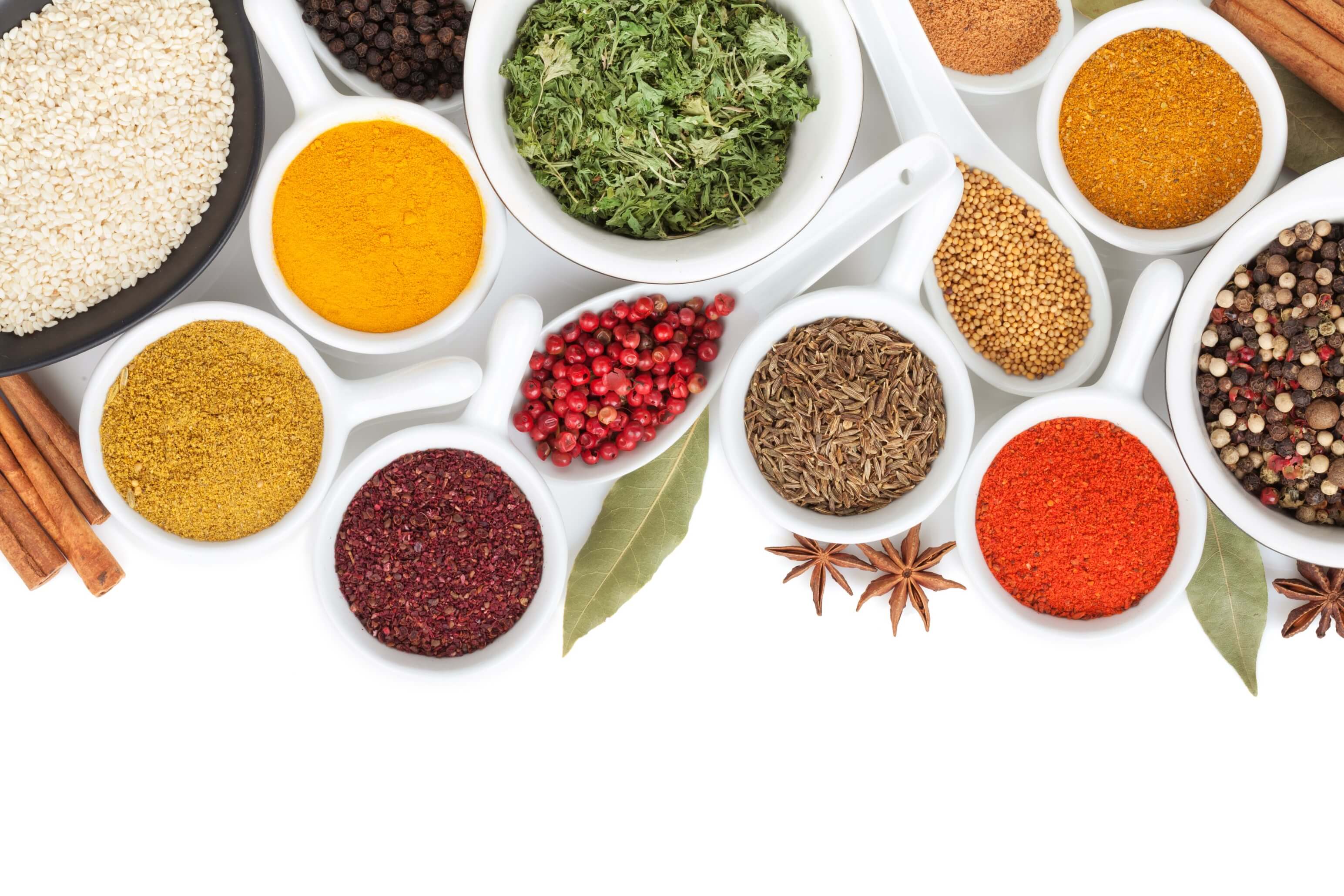
Chicken Seasoning Guide for Wings, Breasts, Thighs, and Roasts

Chicken is mild enough to work with many flavor profiles, which makes the cooking method an important part of choosing a seasoning. Wings can carry sweet, spicy, and bold blends, while breasts and whole birds often benefit from balanced herbs, citrus, garlic, and pepper.
How to choose the right seasoning
For wings, apply seasoning evenly and allow time for it to hydrate before baking, grilling, or air-frying. For boneless breasts, use enough seasoning to cover the surface without forming a heavy crust. For thighs and whole birds, season under and over the skin when practical.
Practical cooking tips
- Dry the chicken surface before seasoning for better adhesion.
- Use oil or a light binder when grilling or roasting.
- Season larger cuts earlier so flavor has time to distribute.
- Check doneness with a food thermometer rather than appearance alone.
Match the blend to the cooking method
High-heat grilling favors seasonings that form a flavorful exterior without excessive sugar. Baking and roasting provide more time for garlic, herbs, and citrus notes to develop. Air-fried wings benefit from a dry, even coating and enough space for hot air to circulate. For slow cooking, reserve a small amount of clean seasoning to adjust the finished sauce.
Measured starting amounts
For 1 pound chicken, begin with 1–2 teaspoons of a blend and 1 tablespoon oil. A salty or hot blend may need less. Coat evenly rather than creating thick piles, and check the ingredient list before adding salt separately.
A basic baked breast method
Heat the oven to 400°F. Use similarly thick boneless breasts; gently pound unusually thick sections for even cooking. Apply the coating above, arrange in a baking dish and begin checking around 20 minutes. Continue until the thickest part reads 165°F, then rest briefly before slicing.
Wings, thighs and whole birds
- Wings: Dry the surface and leave space between pieces. Sweet blends need attention to browning.
- Thighs: Check near the bone without touching it. A dark exterior is not a center-temperature reading.
- Whole birds: Season over and, where practical, under the skin. Check the thickest breast and innermost thigh and wing at 165°F.
Use the right flavor for the rest of the meal
Lemon works with potatoes or a fresh salad; a sweet wing blend benefits from a less sweet side; Cajun flavor can pair with rice. Season sides more lightly so the whole plate does not repeat a heavy coating.
Portion seasoning before handling raw chicken. See safe cooking temperatures.
Products featured in this guide
- Cajun Chicken Seasoning — Cajun Chicken Seasoning combines ancho, cayenne and guajillo chiles with smoked paprika, garlic and pepper for chicken, marinades and vegetables.
- Chicken Seasoning | Lemon Pepper Chicken | Cajun Chicken | Garlic Chicken — Original Chicken Seasoning blend has just the right proportions of ingredients, so the seasoning doesn't overpower the natural meat flavor.
- Honey Garlic Chicken Wing Seasoning — Honey Garlic Chicken Wing Seasoning combines honey, brown sugar, garlic and red chile for sweet and savory chicken wings.
- Lemon Garlic Chicken Seasoning — Lemon Garlic Chicken Seasoning combines garlic, lemon peel, pepper and spices for chicken, with red chile and smoked paprika for added depth.
- Lemon Pepper Chicken Seasoning — Lemon Pepper Chicken Seasoning combines coarse black pepper, lemon peel and spices for chicken wings, breasts, thighs and roasts.
Build your flavor collection
Choose a blend by the result you want: bright citrus, savory garlic, Cajun warmth, or a sweet and spicy wing profile. Browse the complete chicken seasoning blends collection for additional options.
Find your next cooking idea
Explore more Recipes & Cooking Guides, organized by food, flavor, and pantry choice.