Aji Amarillo Uses: Sauce, Salsa, Marinade & Aioli
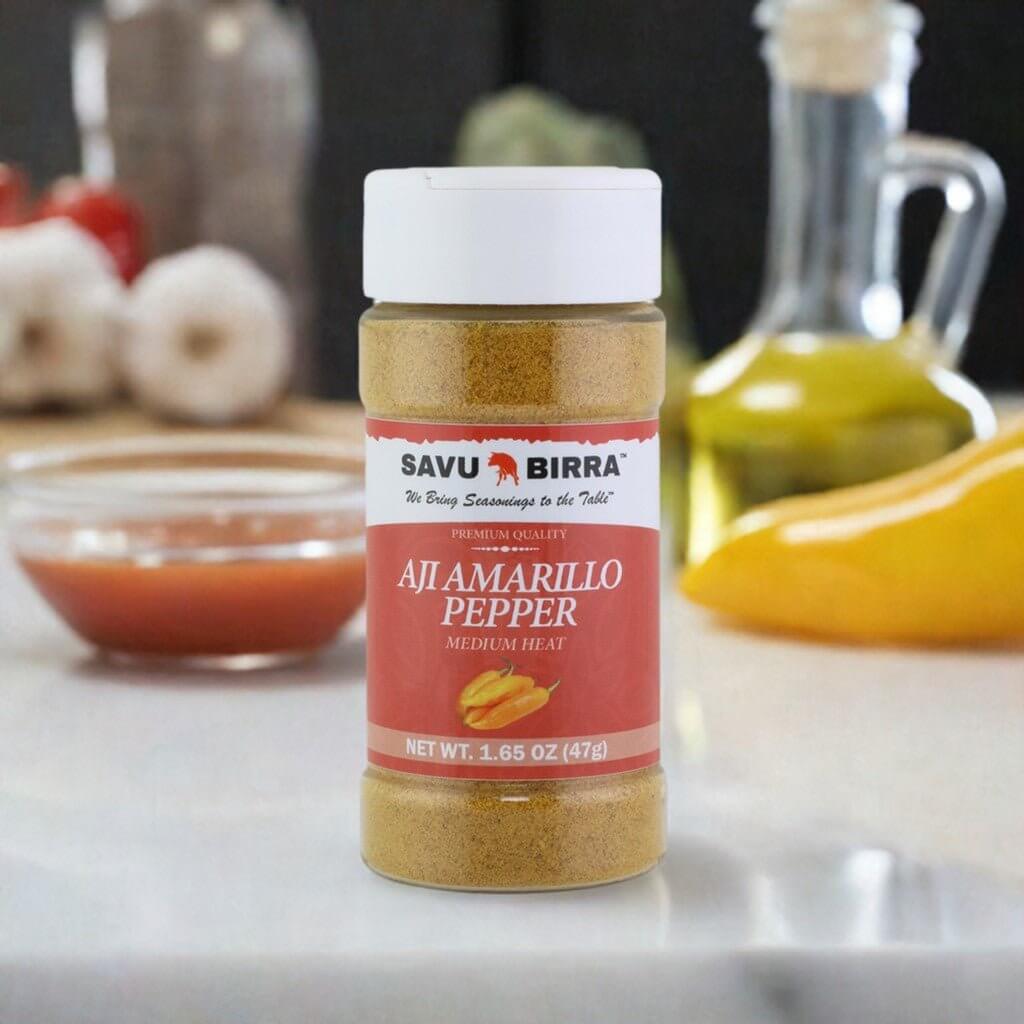
Aji Amarillo powder brings fruity chile heat to creamy sauces, tomato salsa and marinades. These five uses are written for ground Aji Amarillo. Prepared pastes vary in concentration and ingredients, so do not replace powder measure for measure.
Shop Aji Amarillo
Use the powder for sauces, salsa, marinades and aioli where you want to measure by the pinch. Use the whole dried peppers when a recipe calls for soaking and blending into a smooth paste.
What Aji Amarillo tastes like
Aji Amarillo ("yellow chile") is the signature pepper of Peruvian cooking. It ripens to a bright orange-yellow and has a fruity, slightly tropical flavor that many cooks compare to passion fruit or apricot, with a sunny, gentle bitterness at the finish. Heat is usually listed at about 30,000 to 50,000 Scoville Heat Units, similar to cayenne, so it is hot but far milder than habanero.
That combination of real fruit flavor and medium heat is why it shines in creamy sauces, potatoes, chicken, seafood and rice. It also adds a warm golden color to anything you cook with it.
Powder or whole dried peppers?
| Aji Amarillo powder | Whole dried Aji Amarillo | |
|---|---|---|
| Best for | Quick sauces, rubs, dips, salsa, finishing | Smooth pastes, stews, braises, traditional sauces |
| Prep | None; stir in and let it hydrate | Toast lightly, soak 20 to 30 minutes, blend |
| Flavor | Bright and direct | Rounder, deeper, slightly roasted |
| Rough swap | About 1/2 teaspoon | 1 medium dried pepper |
Peppers vary in size and heat, so treat that swap as a starting point and taste as you go.
Use the smaller suggested amount first. Mix thoroughly, allow the flavor to distribute and taste before adding more. These are starting recipes, with heat adjusted to your preference.
1. Creamy Aji Amarillo sauce for potatoes
Makes: about 1 cup. Mix 1 cup plain yogurt with ¼–½ teaspoon Aji Amarillo powder, 1 tablespoon lime juice and a pinch of salt. Refrigerate 10 minutes, stir and taste. Thin with water a teaspoon at a time if you want a drizzle.
Serve over roasted potatoes, cooked vegetables or rice. This quick sauce is Peruvian-inspired; it does not reproduce every ingredient in traditional huancaína sauce. If the heat is too strong, add more plain yogurt before adjusting the lime and salt.
2. Aji Amarillo tomato salsa
Ingredients: 1 cup diced tomatoes, 2 tablespoons finely diced onion, 1 tablespoon chopped cilantro, 1 tablespoon lime juice, ⅛–¼ teaspoon powder and salt to taste.
- Combine all ingredients using the smaller amount of chile.
- Refrigerate 10 minutes, stir and taste a small spoonful.
- Add more chile by a pinch if needed. Serve with chips or cooked fish tacos.
Drain very juicy tomatoes first for a salsa that stays on the chip. The powder adds heat without the texture of fresh diced peppers.
3. Aji Amarillo marinade for chicken or tofu
For 1 pound of boneless chicken or pressed tofu, whisk 1 tablespoon neutral oil, 1 tablespoon low-sodium soy sauce, 1 teaspoon honey, ½ teaspoon grated ginger and ¼ teaspoon powder. Coat and refrigerate for 30 minutes. For chicken, cook until the thickest part reaches 165°F; for tofu, cook until hot and browned.
Set aside a clean portion before adding raw chicken if you want a finishing sauce. Discard the used marinade. For seafood, season just before cooking instead of using a long acidic marinade.
4. Quick Aji Amarillo aioli-style mayonnaise
Makes: about ½ cup. Stir ½ cup prepared mayonnaise with ¼ teaspoon powder, 1 small finely grated garlic clove and 1–2 teaspoons lime juice. Start with less lime, refrigerate 10 minutes, then taste and adjust.
For more heat, add powder in small pinches. For a thinner dip, stir in water a teaspoon at a time. Serve with fries, grilled vegetables, sandwiches or cooked seafood. This shortcut uses prepared mayonnaise rather than a raw-egg emulsion.
5. Aji Amarillo finishing oil
Stir a small pinch of powder into 2 tablespoons olive oil for a drizzle over a cooked vegetable bowl or pizza. Mix a small amount for the meal, rather than making a pantry bottle. The powder may settle, so stir again before serving.
Homemade flavored oils, including those with added garlic or herbs, need appropriate storage: refrigerate promptly and use within four days or freeze. They are not shelf-stable simply because oil covers the ingredients. See Oregon State Extension's flavored-oil guidance.
How to adjust the flavor
- Too hot: Add more of the unseasoned sauce base; lime does not remove chile heat.
- Too thick: Add liquid gradually so you do not dilute all the flavor at once.
- Too tart: Add more yogurt, mayonnaise or oil as appropriate, then retaste.
- Too flat: Check salt and acidity separately before adding more chile.
Keep creamy sauces and salsa refrigerated, and prepare small batches for prompt use. The chicken temperature above follows FoodSafety.gov guidance.
Bonus: homemade Aji Amarillo paste from whole dried peppers
Makes: about 1/2 cup.
- Remove the stems from 4 to 5 whole dried Aji Amarillo peppers. Shake out the seeds for a milder paste.
- Toast them in a dry skillet over medium heat for 20 to 30 seconds per side, just until fragrant. Do not let them blacken.
- Cover with very hot water and soak 20 to 30 minutes, until soft.
- Blend with 2 to 4 tablespoons of the soaking liquid, 1 tablespoon neutral oil and a pinch of salt until very smooth. Strain if you want it silky.
Refrigerate in a clean, covered container and use within 5 days, or freeze in an ice cube tray for longer storage. Use 1 to 2 tablespoons of paste wherever the recipes above call for 1/4 teaspoon of powder, then taste and adjust.
What to serve it with
- Potatoes: roasted, boiled or smashed potatoes with the creamy sauce (recipe 1).
- Chicken: the marinade (recipe 3) or a sprinkle of powder with Lemon Garlic Chicken Seasoning.
- Seafood: grilled shrimp or fish with the aioli (recipe 4), or a pinch in a Fish Taco Seasoning rub.
- Rice and eggs: stir a little paste or finishing oil (recipe 5) into fried rice or scrambled eggs.
- Soups: a spoonful of paste gives chicken soup, corn chowder or lentils a gold color and gentle heat.
Frequently asked questions
How hot is Aji Amarillo?
About as hot as cayenne, usually 30,000 to 50,000 Scoville Heat Units. It is noticeably hotter than jalapeño and much milder than habanero. Its fruitiness makes the heat feel rounder.
What is a good substitute for Aji Amarillo?
No pepper is identical. For fruity heat, use a very small amount of habanero (it is far hotter). For color and mild warmth, try paprika with a pinch of cayenne.
Is Aji Amarillo the same as yellow chile paste?
Store-bought aji amarillo paste is made from the same pepper but is usually blended with water, salt, oil or acid, so its strength varies. That is why the recipes above give powder amounts and suggest tasting before you add more.
How should I store it?
Keep powder and whole peppers sealed, away from heat, light and moisture. Ground chiles taste best within about a year; whole dried peppers keep their flavor longer. See our guide to the shelf life of spices.
Explore more from Savu Birra
Shop Aji Amarillo Powder, learn what makes this pepper distinctive, or choose whole dried peppers for a recipe that calls for soaking and blending. For more fruity heat, try the Hot Chile Pepper Powder Variety Pack, which includes Aji Amarillo, habanero, Wiri Wiri and Red Thai chile.